
VFD and Soft Starter
A variable-frequency drive (VFD)—also known as an adjustable-frequency drive (AFD), variable-voltage/variable-frequency drive, variable speed drive (VSD), AC drive, microdrive, or inverter drive—is an adjustable-speed drive used in electromechanical systems to control the speed and torque of an AC motor. It works by varying the motor’s input frequency and voltage.
The basic operating principle of a VFD is to gradually change the frequency from zero to the required operating level, allowing smooth motor acceleration up to full load.
A soft starter only regulates the motor during the startup and shutdown phases.
Internal Diagram of VFD and Soft Starter
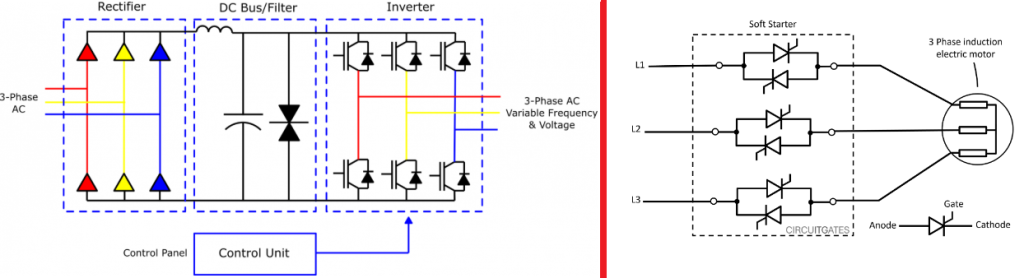
Figure 01: VFD and Soft Starter internal structure
Differences between VFD and Soft Starter
Feature
|
Soft Starter
|
Variable Frequency Drive (VFD)Controls motor speed, torque, and acceleration at all times. |
| Speed Control | None during normal operation; motor runs at full speed. | Continuous control from 0% to 100% (and above) rated speed. |
| Energy Savings | Minimal; only saves power during startup. | Significantly (up to 50%) by matching motor speed to demand. |
| Internal Tech | Uses Thyristors (SCRs) to regulate voltage only. | Uses Rectifiers/Inverters to vary both voltage and frequency. |
| Physical Size | Generally smaller, requiring less panel space. | Larger due to cooling and filtration components. |
| Harmonics | Low to no harmonic distortion. | High; often requires external filters or line reactors. |
| Upfront Cost | Lower (typically 1/2 to 1/3 the cost of a VFD). | Higher initial investment. |
- Choose a Soft Starter if:
- The motor only needs to run at a constant speed once started (e.g., standard conveyor belts or fixed-load fans).
- Reducing mechanical “jerk” or water hammer is the primary goal.
- Space or budget is extremely limited.
- Choose a VFD if:
- Variable speed is required for the process (e.g., HVAC air handlers or flow-regulated pumps).
- Maximum energy efficiency is a priority.
- You require full torque at very low or zero speeds.
- Precise positioning or rapid reversals are needed.
Read First 10 pages of ABB VFD Control and Status World (Collected from ABB library)